Winter Fire Safety
- NEWS
Rockaway Stuff
- 0
- 6 minutes read
By Dan Guarino
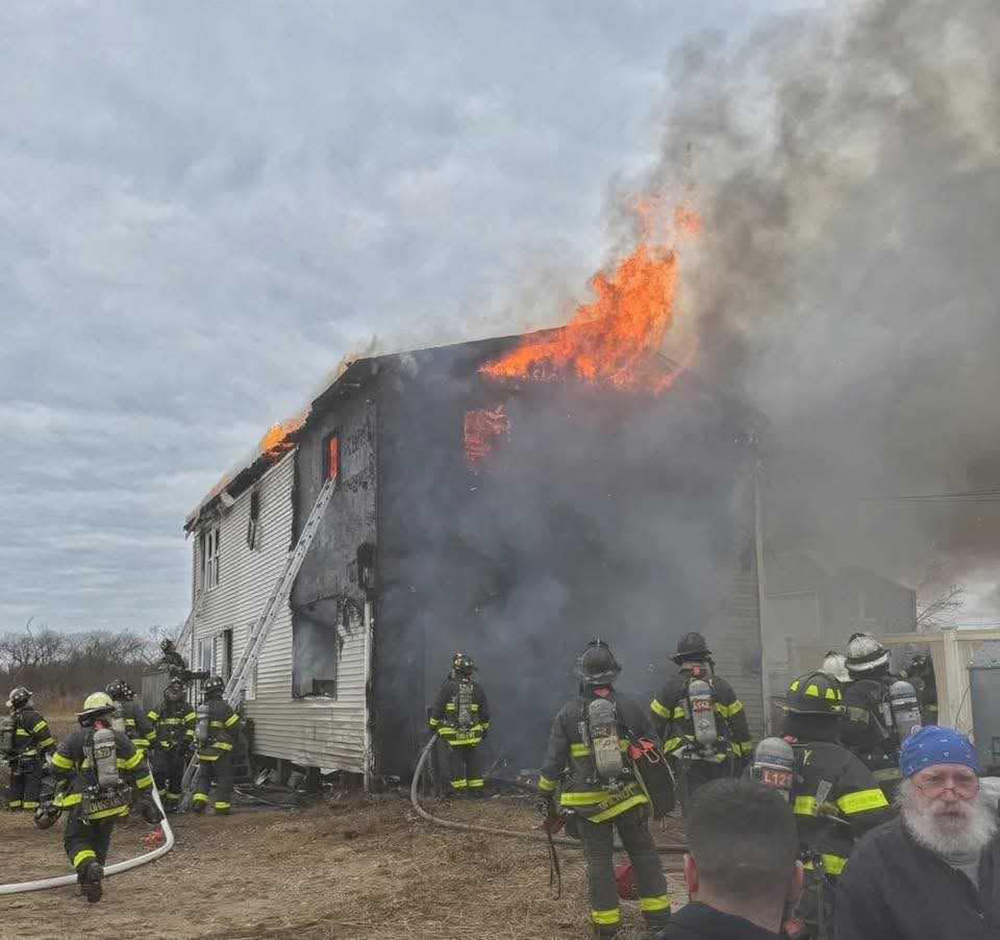
Even in the dead of winter, it could all go up in smoke and flames. That’s what the professional safety experts and insurers, FDNY and Rockaway/Broad Channel volunteer firefighters will all tell you.
Other seasons and even the holidays have their specific safety challenges. But winter, especially ones as cold as this, comes with its own fire hazards.
Space heaters, stoves, overloaded outlets, stretched wiring, open flames, enclosed air and more can present potentially fatal dangers.
Fire and fire safety run deep in the Rockaways, almost all the way back to the beginning. Not surprisingly, the Volunteer Firemen’s Association of the City of New York (VFANYC), notes of the eight volunteer fire companies in NYC, four- the Roxbury, Point Breeze, Rockaway Point and Broad Channel departments- are located here.
So, here is some information to keep residents safe this winter.
According to a January article presented by the National Fire Protection Association (NFPA), 46%, nearly half, of all home heating fires occur nationwide between December and February. Critically during this season, this puts them ahead of cooking mishaps, which are the leading cause of residential fires the rest of the year.
“Each winter, when heating systems kick into high gear, so do the number of home heating fires,” an NFPA spokesperson noted. NFPA’s data indicates that between 2020 and 2024, U.S. fire departments responded to an average of 37,365 home heating equipment fires each year. These resulted in 417 civilian deaths, 1,260 injuries, and $1.2 billion in property damages. Space heaters and heating stoves were cited as the majority cause of the fires, deaths and injuries.
Through their FDNYSmart outreach program, the FDNY has this to say about heating safety. With many people using them during these bitter temperatures, they recommend only using certified space heaters, such as those showing the UL, Underwriters Laboratory, safety tested seal.
Units should be placed on a flat, non-flammable surface, and kept at least three feet away from flammable materials like bedding, curtains and furniture.
Never leave a space heater unattended and never block a doorway or exit with a space heater. Always plug the unit directly in a wall outlet, and never into a power strip or extension, which can cause an electrical hazard.
Some units also come with a feature that will turn the unit off if it is tilted or knocked over.
For homes with indoor wood burning stoves or fireplaces, the FDNY recommends having your chimney inspected and cleaned each year before winter sets in. Also use a fireplace screen to keep flammable embers from flying out, and never leave a fire unattended.
Through their website, the Broad Channel Volunteer Fire Department (BCVFD) recommends not only keeping “anything that can burn at least three feet away from heaters,” but also having a “three foot ‘kid-free’ zone around open fires and space heaters.” Always remember, turn off space heaters when going to bed or leaving the room.
FDNY adds, “It’s important to never use the kitchen oven or gas range to heat your home or apartment. Such improper use could cause dangerous levels of carbon monoxide to accumulate, causing severe illness or death.”
Also having an unattended open flame is never a good idea.
If you’re a homeowner, FDNY says, “Schedule an annual inspection of your furnace or boiler by a qualified professional. Ensure all vents are clear of debris to prevent carbon monoxide buildup.”
This is especially dangerous now with people spending the majority of their time indoors where windows and doors are tightly shut to keep the cold out, and uncirculated air is locked in.
Con Edison explains, “Carbon monoxide (CO) is a gas produced by fuel-burning appliances like gas stoves, boilers, water heaters, dryers, space heaters, and generators. If one of these appliances isn’t working properly, the gas can build up in your home or business.” Carbon monoxide is colorless, tasteless and odorless “It’s extremely harmful or fatal to breathe in large quantities of CO.
“Because you can’t see, smell, or taste CO, you won’t be able to rely on your senses to tell you when there’s a problem.”
It’s important to have working carbon monoxide and smoke detectors in your home, especially in bedrooms, and to check both regularly.
Generators and cars being heated up should be placed outside for the same reasons.
FDNYSmart notes, “In addition, colder temperatures across much of the country and fewer hours of sunlight result in people spending more time indoors, which means electricity is used more hours of the day, and, in many cases, households are doing more cooking, which represents the leading cause of home fires year-round.”
The NFPA advises to always keep an eye on what you’re cooking. Never leave food unattended on the stove. Turn pot handles away from the edges of the stove, so you don’t accidentally knock into them. Set timers for foods that are simmering or baking. A burning pot can easily cause smoke and catch fire. Hot oil is dangerous and flammable.
“For a grease fire, DO NOT use water,” FDNY says. It may immediately splatter or spread. “Turn off the heat and cover the pan with a lid or smother it with baking soda or use a fire extinguisher rated for grease fires.”
When cooking, first clear away anything that might catch fire, like food packaging and paper, dish towels, oven mitts and paper towels. Like with heaters, it’s a good idea to keep kids and pets at least three feet away from the cooking area. It’s never too early to teach both about fire safety.
Winter electrical safety? FDNYSmart recommends using only electric blankets with the UL mark and toss any that are 10+ years old. “99% of blanket fires have been caused by blankets 10 years or older.”
Use only one heat-producing appliance-coffeemakers, toasters, heaters etc., plugged into an outlet at a time. Also avoid overloading outlets and/or over-extending extension cords or running them under rugs or behind furniture.
For information on staying safe this winter, visit www.fdnysmart.org, www.nfpa.org or check in with your local volunteer fire department.
Be warm and stay safe this winter.
Photo by Dan Guarino.